Easy Steps No. 2 – Pace Yourself

This is my second post in the “7 easy steps to start your whole-food plant-based journey’. In the first post I covered step 1 – know your ‘why’. This time, step 2 is one more thing you need to think about before you start making positive changes that last. And it’s a simple but profoundly difficult one to stick to – go at your own pace. Continue reading “Easy Steps No. 2 – Pace Yourself” →

Top tips for New Year eating

Yesterday I listed five questions to think about when your New Year resolution is eating better food.  If that made you think, and you want to make some positive but simple changes, here are five top tips that will help you eat ‘well’.

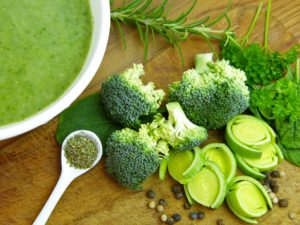
1) Eat more! That may seem like a strange thing to encourage! To be specific, eat more fresh fruit and vegetables. That doesn’t mean you should start munching your way through platefuls of lettuce, unless you’re into that kind of thing! If you have decided to ‘do the vegan thing’ this January, then you should naturally eat more each day, as long as you are not choosing lots of processed products. If you’re doing a more gradual transition, there’s lots of way to sneak extra veg into everyday foods. Soup is the perfect way to load up on the veggies. Add extra helpings to stews and curries. Sneak some fresh stuff into cakes (carrot and courgettes work well as does fresh fruit). Have a side salad with your main meal, or just increase your veg portion size. Plants can be very filling, so you feel less hungry plus give you a whole range of marvellous nutrients.

2) Eat whole. We hear a lot about the perils of fat and/or sugar. We also hear about how they are an essential part of our daily diet. Confused? Most people are. The key to the fat/sugar issue is really about whether it’s refined or whole. Once fresh produce is processed, it loses much of its micronutrients and fibre, leaving higher amounts of fats and sugar in an altered molecular state. Think about oranges and orange juice. If you eat an orange you get the juice and sugar, plus essential oils, fibre and other nutrients. Unless it’s a very small one, or you have a huge appetite, most people can only manage to eat one orange at a time. For a start, it can take ages to peel it and by the time you’ve finished one there’s no desire left for another. Orange juice on the other hand is a different matter. An average glass of juice takes about 4 oranges. That’s four times the amount of sugar, no fibre and less of the essential oils and other phytonutrients. Sugar with no fibre gets rapidly absorbed into the blood stream, and it’s not long before you want more. So look at what you’re eating – if its whole then go for it, if it’s had the fibre removed, don’t.

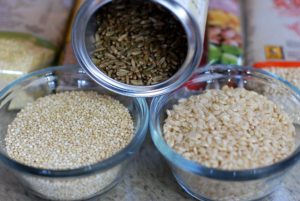
3) Eat brown. This is connected to the point above. Wholegrain and wholemeal contain lots more nutrients and fibre than white. So brown pasta, rice and bread are all more beneficial than the plastic white stuff. You can even get brown rice pasta if you’re gluten free! It does take a few minutes more to cook, particularly rice, but if you leave it to soak whilst you’re out in the day, it cooks super quick when you want it.

4) Eat when you’re hungry and don’t feel deprived. This is most important. Making changes is hard and if you feel resentful about missing out then it makes it even harder, increasing the likelihood that your resolutions go by the wayside. If you’re out and about, don’t rely on being able to pick up a suitable snack; always have something with you to fall back on when hunger strikes. It could just be an apple or banana, or a small bag of nuts and dried fruit. When you eat a whole food plant-based diet, it’s not about calorie counting or limitations. It’s about eating great food, so if you want an extra helping of the gorgeous veggie meal you’ve prepared then do so. And if sweet stuff is your preference, make sure you learn how to make healthy cakes. There’s lots of recipes on the blog that will hit the spot.

5) Eat yourself happy. This is not me encouraging you to console yourself with a tub of ice cream!  As mentioned above, whole-foods are packed with fibre. As well as helping slow sugar release and keeping you ‘regular’, fibre also keeps the friendly bacteria that live in your gut happy. And happy bacteria can mean a happy you, as one of their many jobs is to keep the gut lining healthy and intact so that it can keep working to maximum capacity. This includes secreting optimum amounts of serotonin, the happy neurotransmitter that influences mood. Gut health is key to health and well-being, so feeding it with gorgeous tasting whole plant foods is a great way to get you feeling happy all over!

Top tips for a healthy start to the year

It’s day two of the New Year. How are your resolutions going? You may be of the opinion it’s not worth making any as they are doomed to fail, right? Wrong! Apparently, new research suggests that 44% of people manage to stick with their resolutions six months into the year. That may not seem a lot, but as the previously generally accepted statistic is that only 8% stick to their good intentions, with many failing within the first 24 hours, that’s a major breakthrough!

A top New Year’s resolution is to eat more healthily, whether to lose weight or for a health problem. Membership for slimming groups and gyms rocket at this time of the year – great for their business plans, maybe not so good for their clientele in the long term. According to one research programme, 84% of dieters with a well known dieting club were return customers over a 5 year period (ie only 16% successfully kept their weight off over 5 years).

Diets for weight loss tend to be viewed as a short-term venture; many people slip back into their old ways of eating, only to pile the pounds back on at a scarily rapid rate. Real success comes from changing life-long habits, and (I believe most importantly) from eating delicious food that satisfies and cares for the body.

Before I discovered my food intolerances and changed to a whole-food plant-based way of eating, I was forever ‘on a diet’. Now I don’t have to be, as it turns out that the foods I used to love and crave, were also the ones that contributed to my weight gain. Dairy and yeast turn up in so many different food products; once I cut them out and started eating more fresh produce and wholegrains, the weight just naturally came off, and whilst there is a little fluctuation now and then, I generally stay the same. It’s a great side effect to have – along with reducing my risk for heart disease, diabetes and other chronic health problems! And plant-based eating is also a positive way to manage my autoimmune condition.

That’s not to say the journey has been easy – my transition to a whole food plant-based diet took some time. You only have to look back on some of my earlier blog posts to see how my recipes have changed! There’s also been some major changes over the last five years in the acceptability and availability of plant-based food, which is amazing and makes life much easier. But these changes also include an increase in vegan processed food; junk food is not going to get you healthy, no matter where it’s sourced.

So if you’re starting out on making some healthy choices for the new year, here’s a few questions to ask yourself so you can succeed and keep your resolution intact. Tomorrow, I will post my top 5 tips for eating well and helping you reach your goal. If you want to know more, or think I can help you keep your resolutions this year, then why not comment below or send me a message on the contact page here.

Questions to think about:

  1. Is this the right time of year to make major changes? The beginning of January is not always the best time to ‘go on a diet’. It’s cold, wet and dark for a start, not ideal particularly if you are planning to try juice or raw food plan (not that I’m keen on them any time of the year!). Personally, my New Years resolutions start on 6th January as it’s my birthday on 5th and am more than likely to eat out and enjoy a glass of something bubbly! So there’s no point in starting something before then. Recognise challenges and limitations and be ready for them. That’s not an excuse not to take action at all, though. It’s about being aware and making constructive choices. One of the benefits of eating a whole-food plant-based diet is that you are eating amazingly healthy food all year round, so there’s no real need for a new healthy regime anyway!
  2. Are you an all or nothing person? Know yourself. Some people can only set out with strict parameters and an all-in attitude, whilst others think they should be that way but are more suited to gradual changes. Be honest with yourself and find what works for you. This is a new way of eating and living, not a short-term project. Recognise your personality tendencies and work with them, not against them.
  3. What’s your ‘why’? This is most important. Whether you are making changes to deal with a food intolerance, a health or weight problem, to help the environment or animal welfare, or just because ‘going vegan’ is the in thing to do, you need to know your goal to get you through the tricky times. It doesn’t have to be high brow – my initial aim for going plant-based was to deal with my yeast intolerance so I could drink wine again! It may seem superficial, but it helped when temptation loomed.
  4. What support do you need to achieve your goal? If you’re diving in to a plant-based way, campaigns like Veganuary may be your inspiration, or you may find a favourite blog or cookery book, follow a Youtuber or Instagrammer. Then there’s courses and groups you can join (like my Eat Well course!). Most importantly, you need the support from the people around you, your family and friends. That’s why you need to know your why, so you can explain it to them and get them behind you.
  5. Are you prepared for obstacles? This links back to your why, but it’s also a practical issue. Despite the increase in interest in a more plant-based way of eating, it is still seen as being a fad, unsustainable or even dangerous to health (depending on which commercial interest is being challenged). It can be hard to find something quick to snack on when you’re out and about. Medical professionals may not be aware of the benefits. Family members may see it as a slight on them if you won’t eat the meal they’ve prepared for you, even if you’ve told them it will make you ill. Food is a contentious issue! Then theres your own internal obstacles, negative self-talk or deep-seated cravings that nag and tell you that just one cream bun won’t hurt. Obstacles will appear, particularly when you don’t expect them, and sometimes you may lapse. Don’t give yourself a hard time if you do. Just notice what happened and try to act differently next time. You may even find that eating something you’re trying to avoid doesn’t actually feel so good – that’s your body telling you it prefers the good stuff. It knows best, trust me.


New Year, new Eating – the whole issue

So, what are your resolutions for 2017? Most people tend to say eat better and exercise – both positive actions, often short lived though! Making changes can be hard, especially if you are doing it on your own. With social media, however, you never need be alone now, and there are campaigns throughout the year you can join in with to help keep you going on your well-being mission.

There’s been a huge rise in eating a more natural plant based diet and the Veganuary campaign during January has played a big part in this (see www.veganuary.com for more information). It’s easy to access, with lots of information, ideas and recipes to keep you interested throughout the month, and hopefully feeling keen and enthusiastic to make lasting changes to the way you eat as well as your health.

Big campaigns that raise awareness are great, and as customer demands increase, so does supply of products – you only need to see the expansion of ‘free from’ ranges in the supermarkets to note how animal-free is becoming mainstream. But that’s where my word of warning comes in – just because something is ‘vegan’ doesn’t automatically give it ‘healthy’ status. Chips (as a rule) are vegan after all!

Essentially, the way I look at it from a nutrition, and therefore health, side of things is that processed and refined food is still generally junk, whether it’s animal or plant derived. Once the ‘whole’ has been taken out of ‘food’ and chemicals and extras added in the nutritional content goes down and the negative impact on us, and the environmental cost, goes up.

As a sensitive eater, vegan processed food is often still a no-go area, with yeasts added in all over the place, whether as yeast extract or ‘natural’ flavourings and preservatives. And you’ll often still find a high amount of refined sugars in varying forms as well as highly refined oils.

So what to do? The best way is to eat as close to a food’s natural form as possible most of the time and enjoy it in all it’s lovely gloriousness, and add in a few plant based extras in every now and then. Then you will get all the amazing benefits of going plant based, and will feel so good and energised that Veganuary will slip into February, then March……..see where it will take you!

So if you’re taking the plant based plunge for New Year – enjoy!  Don’t forget there’s loads of easy, tasty recipes for you to try on this blog. And if you want to know more, then why not check out my Eat Well, Live Well course that starts again at the end of the month? You will gain loads of essential information about eating whole food and plant based plus a whole bunch of amazing recipes, meet some great people and dine on dishes made by me. What more could you want to really get 2017 off to a great start? Check out http://www.thesensitivefoodiekitchen.com/courses.html

Wishing you all a happy and healthy New Year!

New Year eating

The more I learn about food and it’s affect on the body, the more I realise just how much we take ourselves and our health for granted. Our bodies are finely tuned machines, wonderful at adapting to different situations and assaults, developing incredible coping strategies and processes so complex it’s too mind boggling to comprehend. The appropriate fuel is needed to ensure this continues – the right vitamins, minerals, micro nutrients as well as a good dollop of carbohydrates, and moderate amount of protein and fat. It shouldn’t be too complicated.

To many, a car is an essential item. It needs to be looked after though, so it gets checks at the garage, cleaned, the oil and water gets topped up the right levels and of course we put in the right fuel – diesel in a petrol engine spells disaster and the engine just conks out. Looking at it this way, we care for our cars better than our own bodies. Why is that? Maybe we don’t make a direct financial investment in our bodies or we just take our bodies for granted, then when it goes wrong find ways to patch it up until eventually it conks out. Or maybe we just don’t really know what we should eat, or have been fed the wrong information. Or maybe, we just care for our cars more than we care for ourselves.

Traditionally at this time of year, thoughts turn to the new year and our aspirations for the future. New year, new you. Losing weight or being more healthy usually heads up the top 10 new year resolutions along with quitting smoking and doing more exercise. But as nearly 80% of new years resolutions fail to be achieved, are they really worth making? Personally, I think they are, but maybe not to start on 1st January. That has to be the worse day to start anything positive, as most people are feeling pretty rubbish from the night before, be it from lack of sleep or too much alcohol – or both!

To make a positive change, there needs to be a specific aim or reason, a real desire to achieve something. For me, my aim is to get rid of my food sensitivities and to feel well again – a short term and (so it seems) very long term project! People ask me how can I live without cheese, or wine. I’m no health food saint, but I honestly feel so much better without dairy or yeast, it’s not really a hardship any more. Making changes depends on your perspective – I gain, not lose (although I would really love to eat bread and drink wine again!!). Making a positive change in your life can be hard but also so good.

Eating a plant-based wholefood diet is one the best treats you can give your body and your health – a real new year spring clean. If you want to give it a go, try the PCRM’s vegan kickstart programme http://www.pcrm.org/health/diets/kickstart/kickstart-programs. They have food plans for Western and Indian tastes, and it’s pretty easy to follow. If you are a big meat and dairy lover, I would suggest you break yourself in gently – spend January reducing your meat and processed food intake and trying some of the menu ideas. Then try the kickstart in February when you’re ready for it and see what happens! Be prepared for lots of energy and feeling pretty good!

So don’t make a New Years resolution to go on a diet. Make a promise to be kind to yourself and make a positive change, to be in charge of what fuel you put in yourself not be a slave to an addiction to sugar, or fat. Have a tangible goal and above all respect yourself and your environment. And have a wonderful foodie New Year!