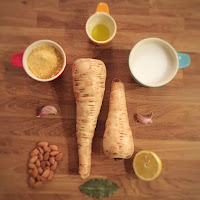
Today I’m focusing on fat, an essential nutrient for the brain. After all, 60% of this important organ is made of fat. But not all fats in the diet are beneficial for the brain. And some, like omega 3 fatty acids, definitely are. Continue reading “7 foods to support brain health no. 6 – omega 3s”
Tag: omega 3
How Should I Alter My Eating For The Gym?
We all know that exercise is important, particularly if you’re trying to lose weight or to manage a health condition. I’m still managing to get out for some runs (or slow staggers really) and am trying to include some resistance training into my weekly routine. But until recently, I found it hard to know what to eat and when.
In the past, I would head out for an early morning run on an empty stomach for two reasons. One was I thought it would help me burn more fat and therefore lose weight (I’m sure I read that in a magazine somewhere) and the other was I would get a terrible stitch or feel sick if I ate before heading out – unless I woke up and ate at least two hours before heading out. Which would have been about 4.30 in the morning. Not ideal!
Having been severely scolded by my athlete daughter who quoted loads of recent research at me, I’ve had to make changes Because food and exercise is important; quality and quantity are key.
Apparently one of the most prevalent in-jokes among bodybuilders is that “abs are made in the kitchen.” This witticism holds truth to it – no matter how hard you work out, how much effort you put in, a nutritious and healthy diet will always be more important than working out, even if working out is an essential part of reaching your fitness goals. Other principles still count, like seeing a physiotherapist if you’re having mobility issues, but it’s essential to focus on these baseline priorities as well.
It’s very easy to think that people who enjoy working out limit themselves to harsh diets lacking in nourishment, but the opposite should, and is, true. If you hope to be fit, you have to eat well. And what counts as eating well? It seems hearty ingredients, limited sugars, complex carbohydrates, healthy sources of protein and many leafy green vegetables are a good place to start. After all, more and more professional athletes have discovered the power of a whole-food plant-based diet to fuel their peak fitness (look at Novak Djokovic who’s won the most tennis titles ever – he’s been plant-based for years!).
Not that I’m considering myself as a peak performance athlete! But if it works for those who are, then I fancy it’s the same for humble mortals like me 😉
There’s plenty of healthy recipes to inspire you here on the blog. But there are a few extra things you might want to think about if you’ve started on your fitness journey.
Raise The Protein
Raising the protein level of your diet with healthy sources can be fantastic. There is still a myth that you can’t consume enough protein on a plant-based diet, and the quality is poor as they are not ‘complete’. Whilst it’s true that some plant foods like grains may be low in one or two essential amino acids, as long as a range of foods are eaten through the day, it’s really not a problem. The body will find what it needs!
Protein helps you stay full longer as well, which is good news. Good sources of plant-based protein include soya products like tofu, tempeh and edamame beans. Lentils, beans and gluten-free grains like quinoa and millet are also great sources. Nuts, seeds and even green leafy veg have reasonable amounts too.
Making sure that each meal has at least one rich protein source will be ideal. Protein will help the recovery and repair of your muscles no matter how you’ve been exercising. It’s not just the domain of bodybuilders. Examples could be:
Breakfast – overnight oats with chia seeds and soya milk
Lunch – Buddha bowl with a quinoa base, smoking tofu and broccoli, peas and tahini sauce
Dinner – Lentil ragu with wholegrain pasta and toasted walnuts
These are all big meals though – ok if you’re not heading to the gym for a least two hours, but what to eat when you’re heading out in the next 30 minutes or so?
I tend to have soya yoghurt with some fresh berries and a sprinkle of ground flaxseed. Easy to digest and contains some simple sugars in the fruit along with protein in the yoghurt and flaxseed or toasted granola. Alternatively, I go for a wholegrain rice cake or two topped with nut butter and a little banana. Again light, but with whole sugars to give my legs a boost.
Limit Heavy Carbs Before Working Out
Refined carbohydrates are not recommended in a healthy diet; some athletes will eat them prior to a big event (‘carb loading’) but as a general rule, complex carbs are always the go-to source of energy. This means switching white for brown, such as wholemeal bread, wholegrain rice and pasta and whole oats. This will help you feel more satiated for longer, and they can be delicious alternatives to cook with. When you eat a wholegrain or whole food, the sugars contained inside take longer to break down in the gut, and therefore are absorbed more slowly into the blood stream, avoiding those pesky sugar/insulin spikes which are swiftly followed by sugar lows and a dive into the biscuit tin!
However, due to the higher fibre content, they can take a while to digest and are likely to give you a painful stitch if you’re doing aerobic activity like running or swimming. Popping some oats and ground flaxseed in a green smoothie is a better option prior to exercising unless you’ve had that two hour gap after eating.
Include Omega 3 fatty acids
Healthy fats are also key to getting the best out of exercise. Omega-3 is a fantastic nutrient to enjoy when exercising, because it protects heart, brain and joint health. Traditionally, fish is recommended as the best source of this essential nutrient. But in today’s world, fish is just not sustainable and the polluted seas mean they contain toxic chemicals like mercury as well as micro-plastics.
However, you can get good amounts of Omega 3 in plant foods – you just need to know what to include. Nuts and seeds are a particularly good source, like flaxseed, chia, hemp and walnuts. Just a tablespoon or small handful is all that’s needed in one go. Interestingly, other plant foods which are good for protein also contain Omega 3 fatty acids including soya products – tofu, tempeh, edamame beans. Leafy greens, broccoli and Brussel sprouts are also surprise contenders.
And so you see the benefits of eating whole plant foods in one simple example – you get a full range of nutrients that support your body before, during and after exercise. And any other time of the day too!
If you feel you need a bit of an Omega 3 boost, algae oil supplements might be for you. Quite expensive still, they are a fantastic, clean source of this essential fatty acid – it’s where the fish get it from after all! Alternatively, if you are following a health programme like Overcoming MS, you’ll be getting plenty of Omega 3 in ground flaxseed oil – which is definitely an acquired taste 😉
I’m still progressing on my return to fitness journey. I’m happy to have lost the weight I wanted to. Now I’m focusing on improving my core strength and fitness – and keeping my weight stable. All of the things I mentioned above – good sources of protein, complex carbs and getting enough Omega 3 – seem to be making a difference. I hope this helps you too. And if you have any top suggests for quick pre-gym/exercise plant-based snacks that won’t leave you doubled in two, please do let me know in the comments below.
Elderflower salad dressing
Get a little bit of summer any time of the year with this sweet and sharp dressing for salad. I particularly like this with beetroot, walnut and sharp leaves, although it works with any salad you might enjoy. Continue reading “Elderflower salad dressing”
How to make flaxseed ‘egg’
Day 2 of my video posts for Global Sharing Week and today I show you how to make a flaxseed egg as well as share some of the amazing benefits of including ground flaxseed in your diet. I hope you find it useful! Continue reading “How to make flaxseed ‘egg’”
Fabulous flaxseeds
It's no surprise to anyone who follows my blog that cake features high on my list of favourite things! When I first went dairy free, I still used eggs in my recipes but this changed once I turned to eating a plant based diet. The question was, how to still make good cake when it was both dairy and egg free?
I soon discovered there are many different alternatives which yield awesomely delicious results. Many of my recipes actually don't need a direct egg replacement, but when required, a flax egg comes to the rescue.
A flax egg is very simple to make, so don't be put off if a recipe asks for one. Just mix one tablespoon of ground flaxseed with 3 tablespoons of water in a small bowl and leave to thicken for 5 minutes or so. You will end up with a thick, gloopy mix, similar to a whisked egg. It doesn't look that appetising, but you won't notice it once added to your recipe.
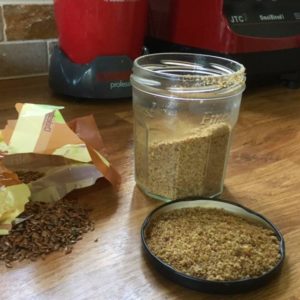
Flaxseed, otherwise known as linseed, is a tiny powerhouse of plant based nutrients; if you haven't yet discovered these seeds, then you really might want to! Packed full of super healthy essential omega 3 fatty acids, flaxseeds are also a fabulous source of complete plant protein, minerals like manganese and magnesium as well as some of the B vitamins and phytonutrients called lignans that act as anti-oxidants and help to balance hormones. On top of that is the fibre; packed with soluble and insoluble fibre, flaxseeds not only keep you regular but also feed friendly gut bacteria (a pre-biotic), so promoting gut health. All that fibre also helps to steady blood sugar levels and fills you up too. So much goodness in one little seed! But a word of warning - if you are not used to a high fibre diet, then go easy to start off with and have a little at a time, building up slowly otherwise your gut might get a bit overwhelmed!
To get the nutritional benefits, flaxseed need to be ground as the tough outer coating is too much for our digestive systems to crack into properly. You can buy it ready ground, but many products are quite expensive, and once ground the seeds start to lose some of their nutritional powers. So it's much better to grind your own in small batches, then keep them in the fridge ready for use. You will need a coffee grinder or high-speed blender for this - an average food processor just isn't up to the job! I do a small batch at a time in my NutriBlend and store them in an old jam jar.
So what else can you use flaxseed in apart from cake? Lots of things - here's a few suggestions:
- in raw snacks and cakes

- sprinkled on breakfast cereals
- on yoghurt
- added to a crumble topping
- as a binder for pastry
- added to smoothies
- thicken soups or stews
- in homemade bread or crackers
Flaxseed oil also has some amazing nutritional uses, but that's a blog post for another day! In the meantime, why not grab some flaxseed the next time you're shopping and add it into your daily diet. Let me know how you get on!
Chia-up – breakfast cheer
Getting a good breakfast can be a challenge at times, especially if you’re short of time or have run out of inspiration. It’s easy to get stuck in the same routine, grab the nearest empty calorie cereal or, worse, have nothing at all. Continue reading “Chia-up – breakfast cheer”
Wednesday night parsnips
I do love a good parsnip! And the ones that turned up in the Riverford veg box yesterday were voluptuous and ready for some action.
The usual route (or should it be root ;)) for any parsnips that enters the house is spicy parsnip soup, swiftly followed by a roasting. Simple but packed with flavour. But this weeks veg box contained a parsnip recipe that I hadn’t tried before – skordalia – so the fate of the gorgeously creamy roots was sealed.
I had never heard of skordalia before, but apparently it’s a side dish from Greece traditionally made with potatoes; Bob the Riverford chef had substituted parsnips for the spuds, and it does taste might fine.
As with most recipes I come across, it did need The Sensitive Foodie touch to make it dairy and gluten free; I also used whole almonds and chopped them as I like to have my nuts with optimum fibre content and I substituted flaxseed oil for the olive oil to increase the omega 3 content. I used Mrs Crimbles breadcru
mb mix as that was open, but have notice that Waitrose now do their own gluten free breadcrumbs, which are completely rice based. Of course, if you’re ok with wheat and gluten, then go for normal fresh breadcrumbs as I can imagine they make the dish even more thick and gloopy.
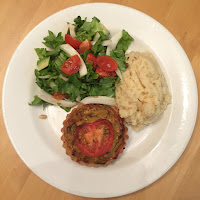
The final product was seriously gorgeous, and would go perfectly with a nut or lentil loaf and a pile of roast potatoes. Not that’s what we had for dinner! But the quiche was still good with it!You may not think of parsnips as a ‘healthy food’ but, as with all veggies, they do having surprising nutritional benefits. For one they are a great source of soluble fibre, so keep our guts healthy and won’t upset those with IBS too much. They also have a good amount of vitamin C, potassium and B vitamins, which are all needed for cell activity. There’s even a reasonable amount of manganese as well as a whole range of phytonutrients that are thought to have an anti-inflammatory effect and help protect against certain cancers. Not bad for a simple root vegetable!
So here is the recipe – there was a little left over, so I’m looking forward to lunch!
Parsnip skordalia (Riverford recipe with Sensitive Foodie adjustments!)
500g parsnips
400ml dairy free milk
1 bay leaf
2 cloves garlic, peeled
30g gluten free breadcrumbs/fresh breadcrumbs
handful almonds, chopped
juice of 1/2 lemon
glug of flaxseed oil/olive oil
salt and pepper
Peel and chop the parsnips into small chunks and pop into a saucepan with the dairy free milk, bay leaf and garlic cloves. Bring to the boil, then reduce the heat and simmer with the lid on for 15 minutes or so until the parsnip is soft and mushy. Turn off the heat and leave to cool slightly.
Strain the parsnips and garlic but reserve the milk. Discard the bay leaf. Pop the parsnip and garlic into a food processor with a little of the cooking milk and blend until smooth. Add the almonds, breadcrumbs and some salt and pepper and blitz again for a moment to combine everything together. Add the oil and lemon juice and blitz briefly. Check the flavours and consistency and add more seasoning. milk or lemon as needed. Serve and enjoy!
Amazingly tasty lentil and walnut paté
Life has been so busy over the last month, The Sensitive Foodie blog has been somewhat abandoned and forlorn. However, there’s been lots of activity in the kitchen so there’s plenty of new recipes and ideas to share – I just need to find more time to write about them! Continue reading “Amazingly tasty lentil and walnut paté”
Just what I needed – lemon drizzle cake
I had a real craving for lemon drizzle cake tonight. No idea why, or what even made me think of it, but once I had, it had to be made.
Researching and trying out new recipes and ideas is great, but it does take time – and sometimes it’s just an excuse not to be doing something else as I’m very easily distracted, which in tonight’s case was write some posts for this blog. So to appease my conscious, I’ve decided to share the cake with you (virtually that is – shame you can’t taste it as well, it’s gorgeous!).
Unfortunately, I can’t claim that this cake is free from refined sugar and oil, because it’s definitely not! But it is dairy free and egg free, and easy to swap to gluten free flour if needed, so it meets a whole variety of ‘free from’ needs. Making cakes without egg is always a challenge, as the protein in the egg binds the other ingredients together.
A great alternative is some ground flaxseed soaked in a little water for a few minutes. It swells and goes really gloopy, great for sticking everything together. However, I’ve found that for many cakes, you just need to whisk the wet ingredients together really well before you add them to the dry, and use an extra shaking of baking powder to make sure it rises and becomes light and fluffy. It can be a bit hit and miss, as sometimes the mix is just too lose and light, and collapses as you take it out of the tin. Tonight was a lucky night though, and the cake stayed together beautifully whilst being incredibly light – no regrets about leaving out the flax.
One other great thing about flaxseed is that it is a fabulous source of omega 3 fatty acids. There’s not many plant foods which provide such good amounts, so it’s worth adding in to your cooking where ever you can.
Having already confessed that this cake is not free from refined sugars and oils, I feel the need to make a quick comment on agave syrup. Although it’s marketed as a healthier sugar alternative, it’s not. Apparently it has a higher fructose content than high fructose corn syrup, which is thought to be one of the major contributors to the obesity problem as it appears in a large amount of processed foods. The agave syrup we buy is not a natural sap from the blue agave plant (a type of yucca plant – tequila is made from it too!) but a commercially produced highly processed, highly calorific sweet gloop. The problem with processed fructose is that it doesn’t get broken down and digested in the gut like simple sugars; rather it goes straight to the liver where it’s processed into fat, completely by-passing the energy producing molecule stage.
The fructose in these syrups is not the same as natural fructose, the sugar that’s found in whole fruits. This type is ok, partly because it’s accompanied by so many goodies like vitamins and fibre. It’s the processing that creates the bad stuff.
So if it’s so bad, why have I not just used normal sugar? It’s still all nutrient-empty calories. For this cake, it’s to help bind everything together. Plus there’s not much of it – apparently, it becomes metabolically significant if you eat more than 25g of fructose a day*. So if you’ve been an eating angel all day, you can get away with it. Or, as I look at it, I only eat it on occasion so it’s ok to use it now and then.
If I’ve put you off the agave, omit it and just add a little more sugar. Or replace the agave with flaxseed as mentioned above; can’t say how it will come out though (that’s my disclaimer!).
But if you just want to make a gorgeously light and tasty lemon drizzle cake that’s vegan and ‘free from’ then do give this a try – it’s worth it
1 extra teaspoon baking powder
pinch of salt
150g unrefined caster sugar

2 tablespoons agave syrup
85mls organic rapeseed oil
200mls non-dairy milk
zest of a lemon
2 tablespoons lemon juice
For the topping:
juice of a lemon
2 tablespoons demarera sugar
Grab a loaf tin, grease it and line with baking paper. Pre-heat the oven to 170oC. Sift the flour, baking powder and salt into a large bowl. Put the sugar, agave, oil, milk and lemon juice into a separate bowl and mix together well with a whisk. Add the lemon zest, stir well.
Pour the wet ingredients into the dry and mix together well. Pour the batter into the prepared tin and bake for 35 minutes or so until a toothpick comes out clean. Take out the the oven, but leave in the tin.
Mix the topping lemon juice and sugar together. Prick lots of holes into the cake with the toothpick and pour the mixture evenly over the top. Leave in the tin to cool for at least half an hour – it becomes easier to handle once it’s cool.
Enjoy!* http://www.huffingtonpost.com/dr-mercola/agave-this-sweetener-is-f_b_537936.html
Chickpea bread
The internet is a wonderful thing – quick access to information about any topic under the sun. Sometimes it’s prudent to be careful and question where this information is coming from, particularly controversial points of view; for recipes though it’s like having one massive cookery book at your finger tips with so much variety, abounding inspiration is available at every moment. Continue reading “Chickpea bread”